Slogans8 Min Read Oliver LucasonNovember 3, 2026 Underwent vs. Undergone: What’s the Difference? Meaning, Grammar Rules, and Examples Have you ever wondered if to use underwent or undergone in a sentence? Both words come from the verb undergo, which means to experience,… Discover More
Slogans8 Min Read James ElijahonNovember 3, 2026 Fight Fire with Fire: Meaning, Origin, Examples, and How to Use This Idiom Correctly The English idiom “fight fire with fire” means responding to an attack, aggressive behavior, or difficult situation by using a similar method… Discover More
Slogans10 Min Read Oliver LucasonNovember 2, 2026 Copula Verbs vs Auxiliary Verbs: What’s the Difference English grammar includes different types of verbs that help us form clear and meaningful sentences. Two important categories are copula verbs… Discover More
Slogans8 Min Read Oliver LucasonNovember 2, 2026 Speaks Volumes: Meaning, Definition, and Examples of This Common English Idiom The phrase “speaks volumes” is a common English idiom that means something communicates a great deal without needing many words. It describes… Discover More
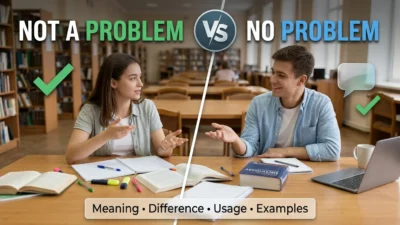
Slogans8 Min Read James ElijahonNovember 1, 2026 Not a Problem vs No Problem: Meaning, Usage, and Examples Have you ever wondered whether to say “not a problem” or “no problem”? Both expressions are common in everyday English, and they are often… Discover More
Slogans8 Min Read James ElijahonNovember 1, 2026 Use Your Loaf: Meaning, Origin, and Examples of This Popular English Idiom The English language is full of interesting idioms that make everyday conversations more expressive. One such phrase is “use your loaf.” If… Discover More
Slogans7 Min Read James ElijahonOctober 31, 2026 Time Off Hyphen Rule: Is It Meaning, Grammar, and Examples The phrase time off is commonly used in everyday English, especially when talking about breaks from work, school, or other responsibilities.… Discover More
Slogans8 Min Read James ElijahonOctober 31, 2026 Informational vs Informative: What’s the Usage, and Examples The words informational and informative are closely related, but they have slightly different meanings. Both describe something connected to… Discover More
Slogans8 Min Read James ElijahonOctober 30, 2026 Deactivate vs Inactivate: Difference? Meaning, Usage, and Examples The words deactivate and inactivate are closely related because both describe making something inactive or stopping it from functioning.… Discover More
Slogans9 Min Read Sebastian JackonOctober 30, 2026 A Penny for Your Thoughts: Origin, and Examples of This Common Idiom Have you ever noticed someone sitting quietly, looking thoughtful, or seeming lost in deep concentration? You might wonder what is going… Discover More